
Share the property details
Send the location, equipment, symptoms or planned changes, and who can approve the work. Existing labels and service records help define the request.
Now part of the
 family
Request a furnace assessment for no heat, repeated starting and stopping, or airflow problems. Include the fuel type, model and symptoms for your Guelph property. Coverage, pricing and appointments require confirmation.
What should be checked when a furnace will not start or is heating unevenly?
A furnace that will not start, produces little heat, cycles unusually, or makes a new sound needs diagnosis before parts are selected. The cause may involve ignition, a sensor, a pressure switch, a motor, a control board, airflow, or venting, and similar symptoms can point to different faults. If the furnace has a cracked heat exchanger or significant corrosion, repair feasibility differs from a replaceable control fault. A request can describe the symptoms and equipment details for review.
View furnace repair services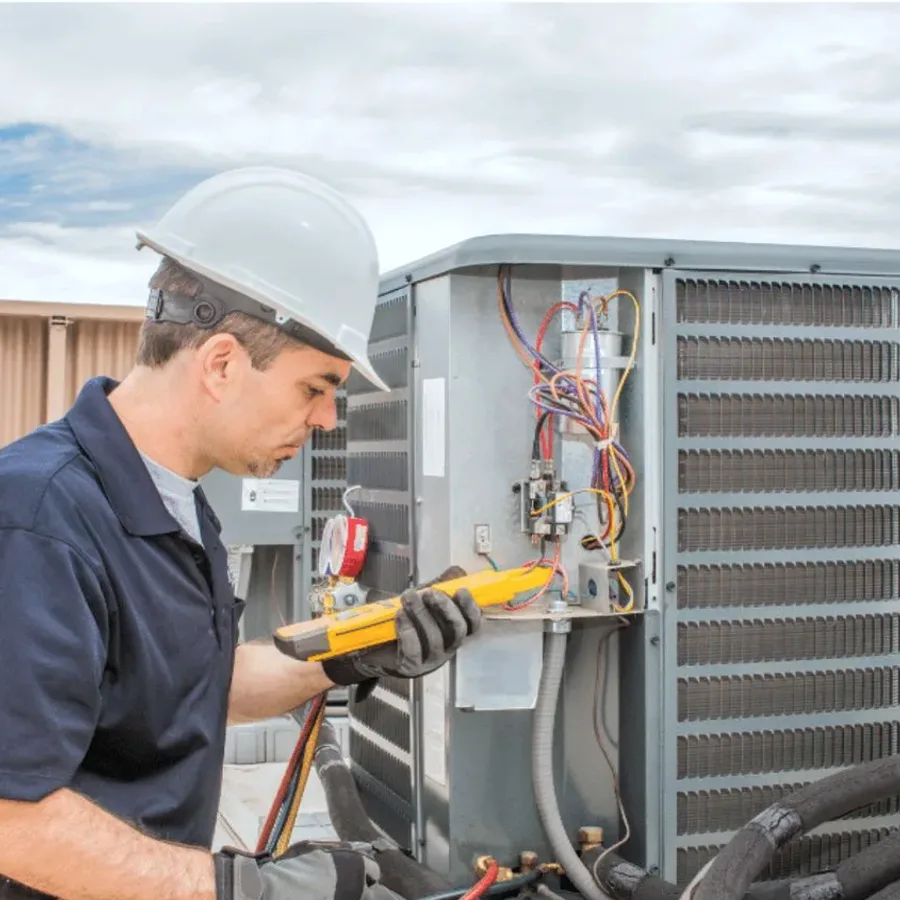
Describe the work first, then confirm the people, timing, and terms before making a commitment.
Send the location, equipment, symptoms or planned changes, and who can approve the work. Existing labels and service records help define the request.
The enquiry team reviews the request and shares it with a relevant service provider for follow-up using your contact details. Confirm contractor coverage, qualifications and how the property will be assessed before agreeing to an appointment.
Ask which findings support the work, what is included or excluded, and how completion will be checked. Agree on pricing and terms with the contractor.
Mention an offer in your request and we will confirm your eligibility with your quote.
Annual maintenance plans start at $120 plus tax for a furnace or an air conditioner, or $210 plus tax for both.
Plan payment is due before the maintenance appointment. We confirm plan coverage, pricing and availability before you book.
Ask about financing when you request your quote.
We confirm rates, terms and eligibility before you commit.
Start with the installed equipment and its manufacturer instructions. Maintenance needs depend on the appliance and its use. Keep service records and ask a qualified contractor which seasonal inspections apply.
When requesting work for a property in Guelph or nearby Georgetown, Milton and Fergus, ask which findings need action now, which belong on a maintenance record, and which remain uncertain without further inspection. Have the contractor identify any equipment warranty or service information worth recovering. Keep the appliance identification and assessment together so a later quotation can refer to the same furnace.
Useful details include the fuel type, furnace model, displayed fault code, when the symptom occurs, and whether airflow or sound has changed. A diagnostic inspection can compare those observations with control signals, ignition sequence, venting, and safety-device findings. That evidence distinguishes a repairable component fault from a heat exchanger or venting condition that changes the repair decision.
A furnace that does not light may have an ignition, flame-sensing, pressure-switch, or control problem, while weak heat can also result from restricted airflow or a blower fault. The sequence and any stored fault code help narrow the cause; they do not identify a part by themselves. Fuel type and model matter because ignition and venting arrangements differ. Inspection findings should guide repair rather than repeated attempts to restart a unit that has stopped on a safety control.
A combustion inspection has a different purpose from replacing a failed sensor or motor. Findings about the heat exchanger, vent path, burner operation, and safety controls help determine whether the furnace can be returned to service as designed. A cracked or severely deteriorated heat exchanger can change the decision from component repair to replacement, particularly when the equipment is older. The model and documented inspection results matter more than a general assumption based on the furnace's age.
Maintenance findings can identify airflow restrictions, deteriorated wiring, burner concerns, or venting problems before a specific repair is chosen. The work should follow the furnace manufacturer's instructions and the observed condition of its components, including the filter, burners, heat exchanger, and safeties. If a furnace already has a no-heat fault, maintenance is not a substitute for diagnosis. A repair decision should account for the confirmed fault, equipment condition, and whether safe operation can be verified.
Share the property location and the work you need so the request can be reviewed.