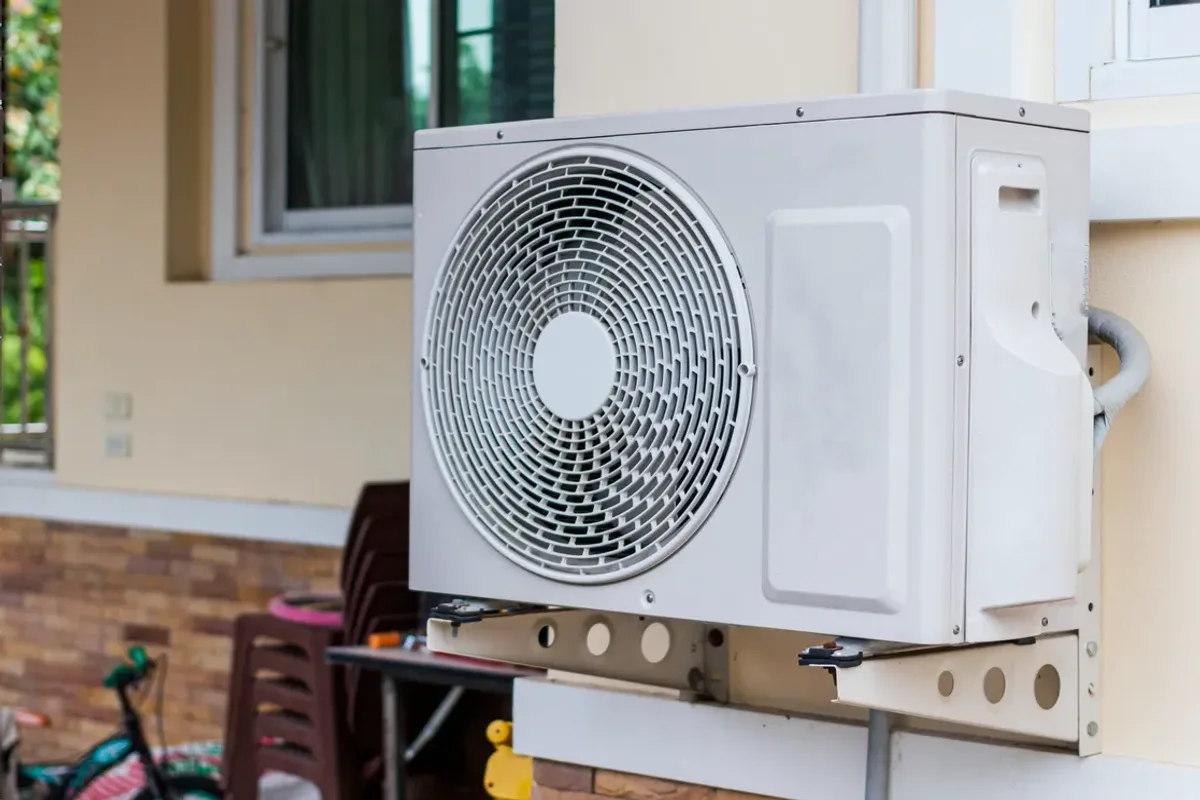
Request heat pump repair & installation for a property in Guelph. Include the equipment, the problem or planned work, and your location so the request can be reviewed.
When should a heat pump fault be repaired, and what changes the scope to replacement?
A heat pump that does not heat, cool, defrost, or operate steadily may have an electrical control, sensor, refrigerant-circuit, airflow, or compressor fault. Repair diagnosis is distinct from selecting a replacement system, which must suit the property and its existing distribution and controls. A defrost-board or contactor fault may call for a different scope than compressor damage. Equipment model, operating history, and observed symptoms help determine which assessment is needed.
Useful details include the heat pump model, whether the fault occurs in heating or cooling, any fault display, recent operating changes, and the type of indoor distribution. Inspection can compare control operation, defrost sequence, airflow, electrical condition, and refrigerant-circuit evidence. These findings matter because a repairable board or contactor fault differs from a major sealed-system problem, while replacement sizing and compatibility depend on the property and connected equipment.
Defrost-board, contactor, sensor, and operating-sequence faults
Filters, coils, refrigerant circuit, and electrical maintenance findings
Cold-climate model selection, controls, and replacement compatibility
Assessment and Scope
Questions for the Proposed Work
01
Diagnose defrost and electrical control faults
A heat pump that struggles during heating may have a defrost-board, sensor, contactor, or control fault, but similar symptoms can result from airflow or refrigerant-circuit conditions. The inspection should verify the operating sequence and use model-specific fault information rather than infer a failed part from sound or outdoor conditions alone. Repairing a confirmed control fault is a different decision from replacing the system. Safety controls should not be bypassed to keep equipment running.
02
Review maintenance findings by component
Manufacturer-directed maintenance can include checking filters, coils, electrical connections, refrigerant-circuit operation, and defrost performance, with the precise work based on inspection. These checks serve different purposes: airflow restrictions affect heat transfer, while a defrost problem or refrigerant concern requires separate diagnosis. If a heat pump is not operating correctly, a maintenance visit alone may not identify the cause. Findings should determine whether cleaning, adjustment, repair, or further testing is appropriate.
03
Choose replacement equipment from property needs
Replacement planning should consider the property's heating and cooling loads, existing distribution, electrical supply, control compatibility, and the intended operating range of the selected model. If an existing system has a confirmed fault, its repair history and condition can be compared with replacement scope; a poor efficiency assumption based only on a utility bill is not enough. Cold-climate models may be relevant where the design conditions require them, but selection must match the actual property and equipment.
Compare the next step
Have the contractor explain the existing changeover sequence in ordinary terms: which equipment supplies heat, when supplementary heat is allowed, and what the occupant should see on the control. Ask for the operating instructions and model-specific maintenance plan before changing settings inherited from the previous owner.
Cold-climate capability does not prove that one model covers every home heating load. Ask how the selected equipment and supplementary heat meet the actual design requirements.