A furnace or air conditioner is one of the most expensive machines in a Guelph home, and its warranty comes with strings attached. Most manufacturers expect proof of regular professional service before they will honour a major claim. Here is what that fine print actually asks for, and the schedule that satisfies it without any drama.
Cleaning, Testing, and the Safety Checks That Matter
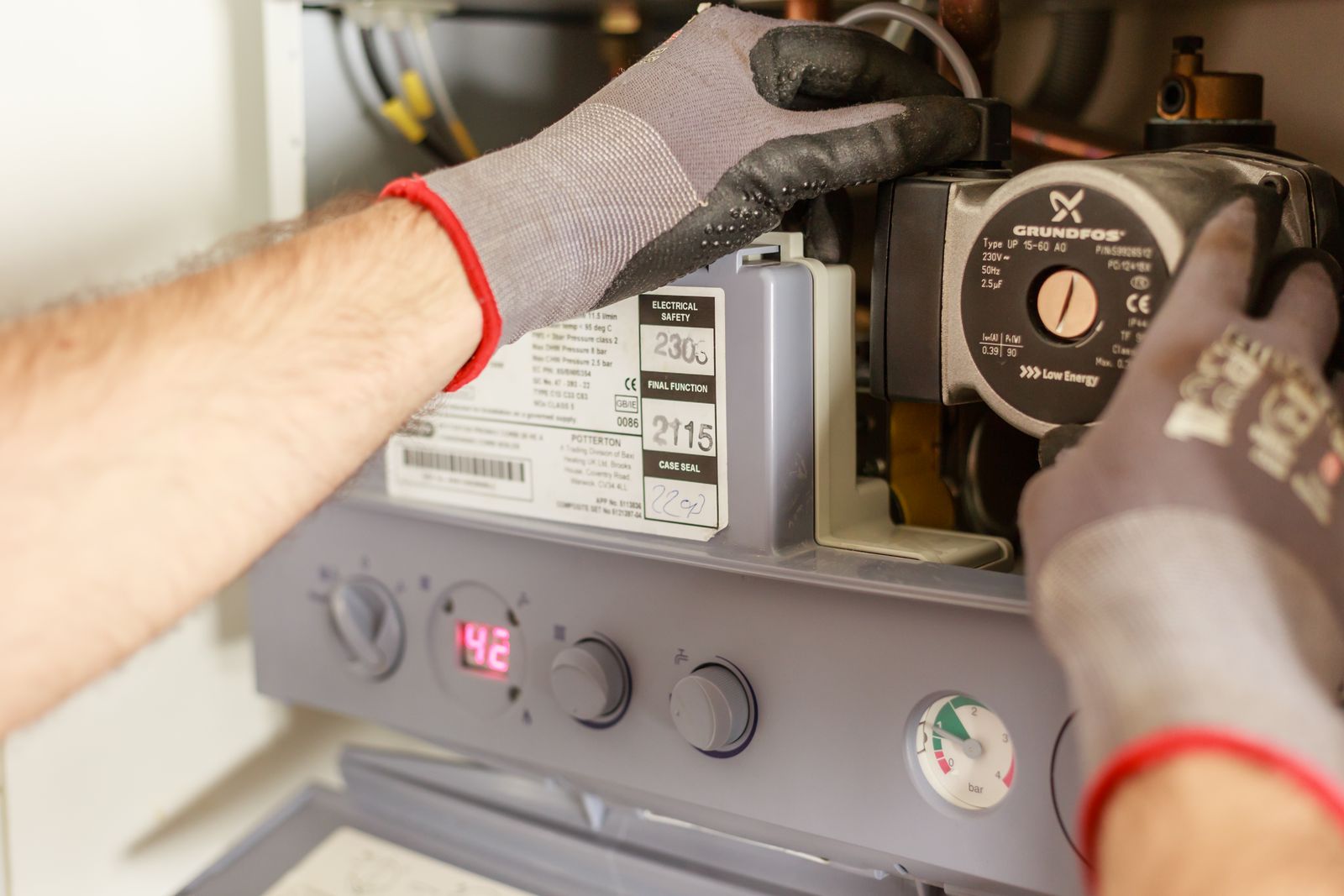
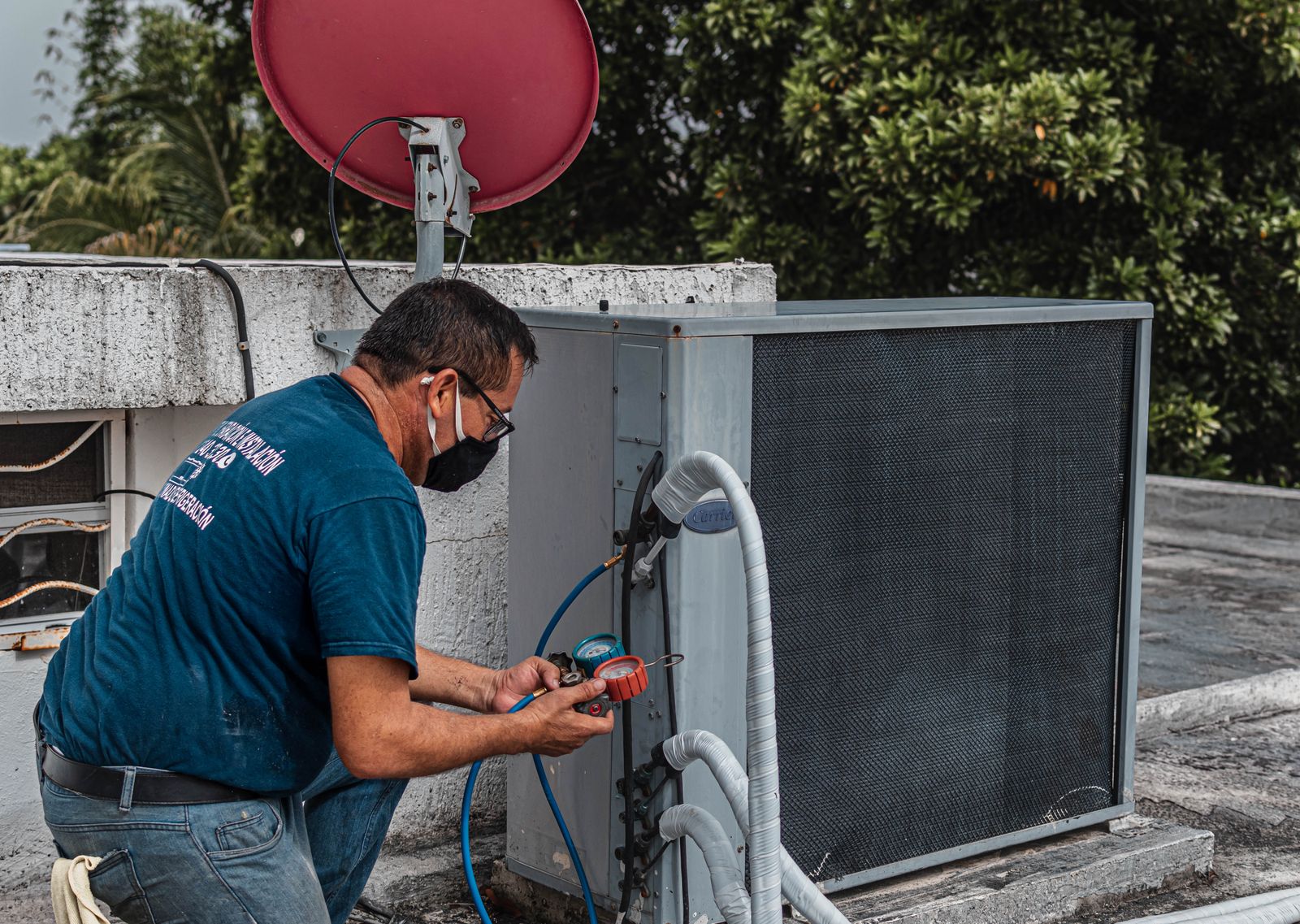
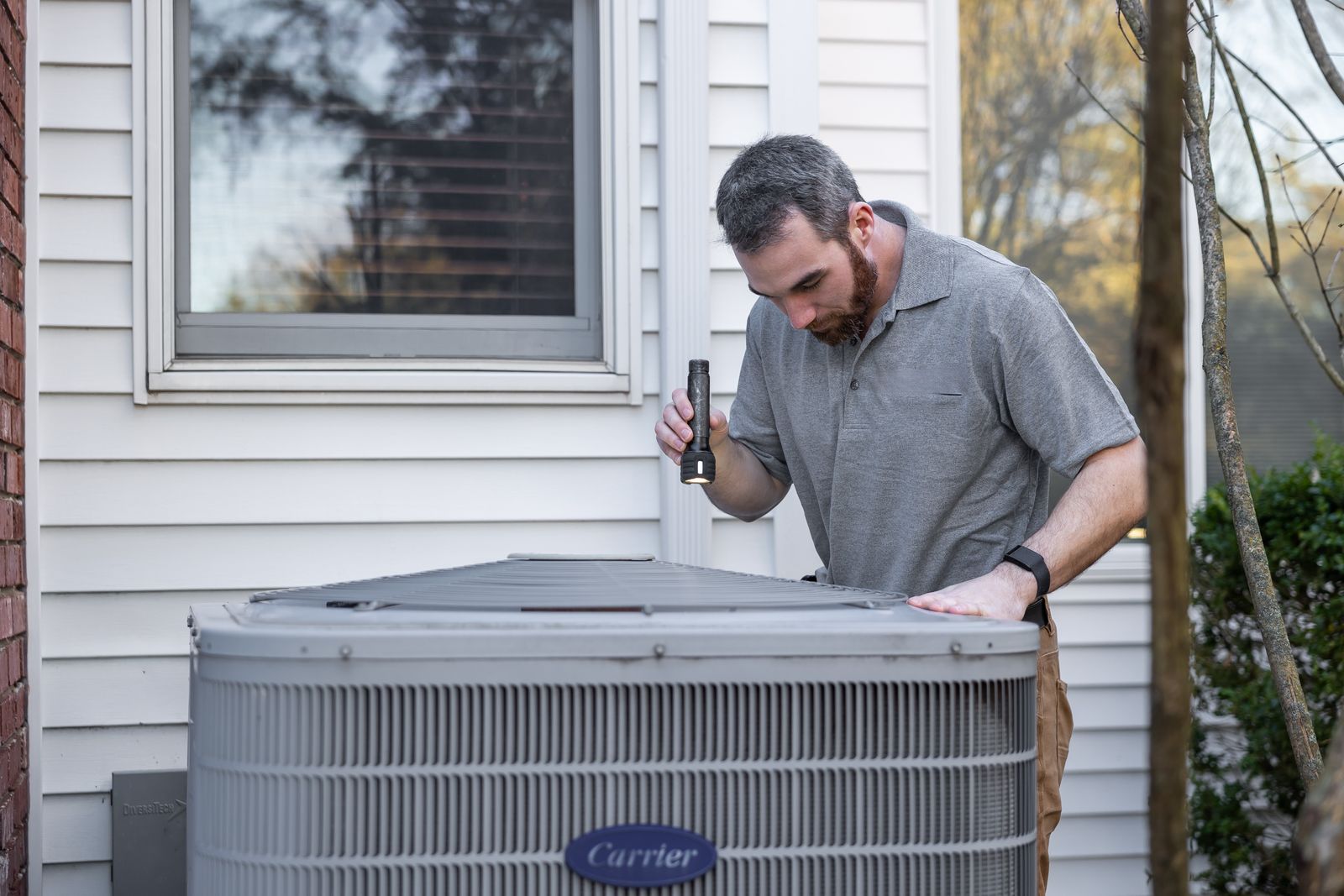
Maintenance breaks into three kinds of work. Cleaning: coils, burners, and the outdoor unit, because dirt is what drives up run times. Testing: refrigerant charge, gas pressure, ignition, electrical connections, thermostat accuracy, and airflow at the vents. Safety: a heat exchanger inspection and a combustion check that catches carbon monoxide risks before they become emergencies.
The filter gets replaced at every visit as a matter of course. You leave with a system that has been cleaned, measured, and adjusted rather than simply glanced at.
Small Problems Are Cheap. Ignored Ones Are Not.
During a typical maintenance visit, a technician might find a loose wire, a worn contactor, a slow refrigerant leak, or a heat exchanger just starting to crack. Caught early, each one is a routine fix at a routine price. A heat exchanger issue found at a fall visit is a planned repair with options; the same issue found in February is a no-heat call at the worst possible rates.
The underlying repair rarely changes. The timing, and the urgency premium attached to it, changes everything.
Spring for Cooling, Fall for Heating
Match the service to the season the equipment is about to face. Book the air conditioner between April and early June, so refrigerant, coils, and electrical parts are checked before the first long stretch of heat. Book the furnace between September and early November, before overnight lows settle near freezing and heating season starts in earnest.
Twice a year is the floor. Older equipment, heavy-use households, and homes with pets or allergies often benefit from sticking firmly to that rhythm rather than letting one of the two visits slide.
The Math on Prevention
A maintenance visit costs a modest, predictable amount. An emergency repair in January or during a heat wave routinely runs several times more, with urgency pricing and a waiting list attached. That ratio holds every single year, which is why prevention wins the math.
It wins quietly as well. Systems that receive regular service use less energy, break down less often, and last longer than identical equipment that is ignored, and the difference compounds over a decade of ownership. Budgeting two visits a year is the cheapest way to own HVAC equipment in Guelph, full stop.